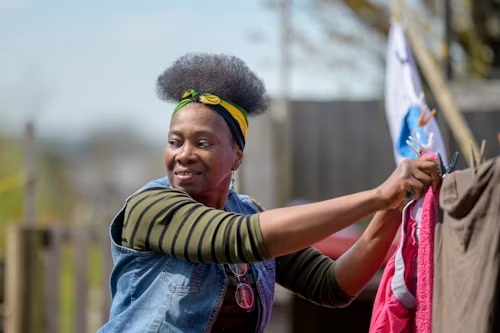
Growing older does not have to mean giving up independence. Many older adults want to remain in their own homes, maintain their daily routines, and continue enjoying the lifestyle they know and love.
Professional caregivers make this possible by providing personalized support that helps seniors stay safe, healthy, and confident. Whether they need a few hours of assistance each week or daily care, professional caregivers offer services that improve quality of life while allowing seniors to remain independent for longer.
Read: 10 Signs Your Elderly Parent Needs Help
Why Independence Matters for Seniors
Staying at Home Supports Well-Being
Most seniors prefer aging in place rather than moving into assisted living or nursing facilities. Remaining at home allows them to:
- Stay in familiar surroundings.
- Keep their daily routines.
- Maintain close relationships with family and neighbors.
- Feel more comfortable and confident.
- Preserve their sense of independence.
Professional caregivers help make these goals achievable by offering assistance without taking away a senior’s ability to make decisions about their own life.
What Professional Caregivers Do
Personalized Support for Everyday Living
Professional caregivers provide services based on each person’s unique needs.
Common responsibilities include:
- Personal hygiene assistance.
- Meal planning and preparation.
- Medication reminders.
- Light housekeeping.
- Laundry and household chores.
- Grocery shopping.
- Transportation to appointments.
- Mobility assistance.
- Companionship and emotional support.
The level of care can increase or decrease as needs change.
Helping Seniors Stay Safe at Home
Reducing the Risk of Falls and Injuries
Falls are one of the biggest health risks for older adults. Professional caregivers help reduce these risks by:
- Removing household hazards.
- Assisting with walking and transfers.
- Monitoring mobility changes.
- Encouraging safe movement.
- Ensuring proper use of walkers or canes.
Example
A caregiver may notice loose rugs or poor lighting and recommend simple changes that prevent accidents.
Supporting Daily Activities
Assistance Without Taking Over
Many seniors need help with routine tasks but still want to remain active.
Professional caregivers encourage independence by assisting only where needed.
Examples include:
- Helping prepare meals while allowing seniors to cook simple dishes.
- Assisting with dressing rather than doing everything for them.
- Providing transportation while encouraging community involvement.
- Offering reminders instead of completing every task.
Read: 10-signs-of-dementia-you-should-never-ignore
Promoting Better Health
Encouraging Healthy Habits
Professional caregivers often help seniors maintain healthier lifestyles by encouraging:
- Balanced nutrition.
- Regular hydration.
- Physical activity.
- Medication adherence.
- Good sleep habits.
- Routine medical appointments.
These daily habits can reduce hospital visits and improve overall well-being.
Providing Companionship
Fighting Loneliness and Isolation
Social isolation can negatively affect both physical and mental health.
Professional caregivers offer meaningful companionship by:
- Having conversations.
- Playing games.
- Going for walks.
- Reading together.
- Attending community activities.
- Supporting hobbies and interests.
Regular interaction helps reduce loneliness and improve emotional health.
Helping Families Feel Confident
Peace of Mind for Loved Ones
Family members cannot always provide full-time care due to work, distance, or other responsibilities.
Professional caregivers offer reassurance by:
- Monitoring daily well-being.
- Reporting health changes.
- Communicating with family members.
- Providing reliable support.
- Responding quickly when concerns arise.
This allows families to stay involved without becoming overwhelmed.
Specialized Care for Changing Needs
Support for Chronic Conditions
As health needs change, caregivers can provide additional assistance for seniors living with:
- Dementia.
- Alzheimer’s disease.
- Parkinson’s disease.
- Arthritis.
- Diabetes.
- Recovery after surgery or illness.
Personalized care plans help seniors maintain as much independence as possible while receiving the support they need.
Benefits of Hiring a Professional Caregiver
Why Families Choose Professional Care
Professional caregivers provide many advantages, including:
- Increased independence.
- Improved home safety.
- Better health management.
- Personalized care plans.
- Emotional support.
- Flexible scheduling.
- Reduced caregiver stress for families.
- Enhanced quality of life.
Tips for Choosing the Right Professional Caregiver
What to Look For
When selecting a caregiver, consider these factors:
- Experience caring for older adults.
- Proper training and certifications.
- Strong communication skills.
- Positive references and reviews.
- Flexible care options.
- Compassion and patience.
- Ability to create personalized care plans.
Read: 10 Signs Your Elderly Parent Needs Help
Frequently Asked Questions (FAQs)
1. What does a professional caregiver do for seniors?
Professional caregivers assist with daily activities, personal care, meal preparation, medication reminders, transportation, housekeeping, and companionship to help seniors live independently.
2. Can professional caregivers help seniors stay at home longer?
Yes. Professional caregivers provide personalized in-home support that improves safety, health, and daily functioning, allowing many seniors to remain at home longer.
3. Do professional caregivers provide medical care?
Most professional caregivers provide non-medical assistance. Medical care is typically delivered by licensed nurses or healthcare professionals, depending on the care plan.
4. How do caregivers improve senior safety?
They help prevent falls, monitor mobility, remove home hazards, assist with movement, and encourage safe daily routines.
5. When should a family consider hiring a professional caregiver?
Families should consider hiring a caregiver when a senior begins needing help with daily activities, experiences mobility challenges, forgets medications, or would benefit from companionship and regular support.