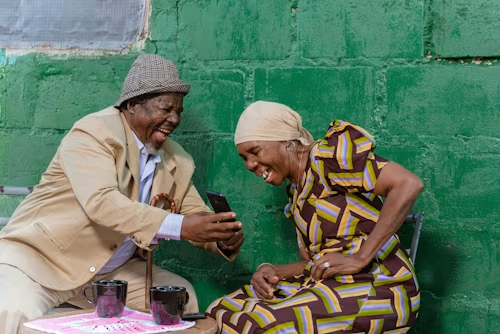
Communication is one of the most valuable gifts you can offer an aging parent, grandparent, or elderly relative. As people grow older, physical, emotional, and cognitive changes may affect how they express themselves or understand others. Learning how to communicate effectively with elderly loved ones can strengthen relationships, reduce misunderstandings, and improve their overall well-being.
Whether you’re a family caregiver, friend, or healthcare professional, using the right communication techniques can help older adults feel respected, heard, and valued. This guide explores practical strategies that promote meaningful conversations and build stronger family connections.
Read: https://anufohunmedicals.org/diabetes-care-for-elderly-parents-at-home/
Why Effective Communication Matters
Better Communication Improves Quality of Life
As seniors age, they may experience hearing loss, vision changes, memory issues, or slower information processing. These challenges can make everyday conversations frustrating for both the older adult and their loved ones.
Good communication helps to:
- Build trust and emotional security.
- Reduce stress and confusion.
- Encourage independence.
- Strengthen family relationships.
- Improve healthcare discussions.
- Support mental and emotional health.
Understand the Challenges Older Adults Face
Common Barriers to Communication
Before improving communication, it’s important to understand what may be affecting your loved one’s ability to interact.
Some common challenges include:
- Hearing impairment.
- Vision loss.
- Memory decline.
- Slower response times.
- Chronic pain or fatigue.
- Anxiety or depression.
- Side effects from medications.
Be Patient During Conversations
Give Them Time to Respond
Older adults may need extra time to process information before responding.
Instead of interrupting or finishing their sentences:
- Pause after asking questions.
- Maintain eye contact.
- Wait patiently for their response.
- Avoid rushing the conversation.
Patience shows respect and helps reduce pressure.
Speak Clearly Without Shouting
Use a Calm and Natural Voice
Many people mistakenly believe shouting helps older adults hear better. In reality, shouting can distort words and make conversations more difficult.
Instead:
- Speak slowly.
- Pronounce words clearly.
- Use a normal tone.
- Face the person while speaking.
- Reduce background noise.
If hearing aids are used, ensure they are working properly before beginning an important conversation.
Practice Active Listening
Listen More Than You Speak
Effective communication involves listening just as much as talking.
Active listening includes:
- Maintaining eye contact.
- Nodding to show understanding.
- Avoiding interruptions.
- Asking thoughtful follow-up questions.
- Repeating important points for clarity.
Listening attentively makes elderly loved ones feel respected and appreciated.
Choose the Right Environment
Minimize Distractions
Busy environments can make communication difficult.
Whenever possible:
- Turn off the television.
- Silence mobile phones.
- Move to a quiet room.
- Ensure adequate lighting.
- Sit close enough to hear comfortably.
A peaceful setting encourages better conversations.
Use Simple and Clear Language
Avoid Complex Explanations
Complicated sentences may overwhelm someone experiencing memory or cognitive changes.
Instead:
- Use short sentences.
- Discuss one topic at a time.
- Avoid medical jargon.
- Explain unfamiliar concepts slowly.
Simple communication increases understanding without sounding disrespectful.
Show Respect at All Times
Treat Them as Adults
One of the biggest communication mistakes is speaking to older adults as though they are children.
Always:
- Use respectful language.
- Include them in decisions.
- Ask for their opinions.
- Respect their life experiences.
- Avoid talking over them.
Maintaining dignity is essential for healthy relationships.
Pay Attention to Body Language
Non-Verbal Communication Matters
Much of communication happens without words.
Positive body language includes:
- Smiling warmly.
- Maintaining eye contact.
- Gentle facial expressions.
- Relaxed posture.
- Appropriate physical touch, such as holding a hand if welcomed.
Your body language should match the kindness of your words.
Encourage Meaningful Conversations
Talk About Topics They Enjoy
Older adults often enjoy discussing memories, hobbies, family traditions, and life experiences.
Conversation starters include:
- Childhood memories.
- Favorite vacations.
- Family history.
- Gardening.
- Sports.
- Cooking.
- Music.
- Books.
- Current events.
Meaningful conversations help reduce loneliness while strengthening emotional bonds.
Be Sensitive to Memory Loss
Support Without Correcting Constantly
If your loved one has mild memory loss or dementia, avoid repeatedly correcting every mistake.
Instead:
- Redirect conversations gently.
- Offer reassurance.
- Focus on emotions rather than perfect accuracy.
- Avoid arguments over forgotten details.
Compassion is often more important than being right.
Ask Open-Ended Questions
Encourage Longer Conversations
Questions requiring more than a “yes” or “no” answer encourage engagement.
Examples include:
- What made you happiest this week?
- Tell me about your favorite childhood memory.
- What advice would you give younger generations?
- What hobbies would you like to try?
Include Technology When Appropriate
Stay Connected Digitally
Technology can help elderly loved ones maintain relationships.
Useful tools include:
- Video calls.
- Voice messages.
- Family group chats.
- Photo-sharing apps.
- Smart displays for easy communication.
Respect Their Independence
Communication Builds Confidence
Whenever possible, allow older adults to make their own choices.
Ask questions like:
- What would you prefer?
- How would you like to handle this?
- Would you like my help?
Giving them control supports self-esteem and dignity.
Avoid Common Communication Mistakes
Habits to Break
Avoid these common errors:
- Interrupting.
- Speaking too quickly.
- Raising your voice unnecessarily.
- Ignoring their opinions.
- Using patronizing language.
- Finishing their sentences.
- Talking only to caregivers instead of them.
Respectful communication builds stronger relationships.
Benefits of Better Communication
Positive Outcomes for Everyone
Improved communication offers many benefits:
- Stronger family relationships.
- Reduced misunderstandings.
- Better emotional well-being.
- Improved healthcare decisions.
- Less caregiver stress.
- Increased trust.
- Greater independence for seniors.
Small communication improvements often make a significant difference.
Practical Tips You Can Start Today
Daily Communication Checklist
- Speak clearly and calmly.
- Maintain eye contact.
- Listen without interrupting.
- Reduce background noise.
- Ask open-ended questions.
- Show empathy and patience.
- Respect their opinions.
- Give them time to respond.
- Smile and use positive body language.
- End conversations with encouragement.
Frequently Asked Questions (FAQ)
Q1. Why is communication important with elderly loved ones?
Effective communication helps build trust, reduce misunderstandings, improve emotional well-being, and strengthen family relationships.
Q2. How should I talk to an elderly person with hearing loss?
Speak clearly at a normal volume, face them directly, reduce background noise, and ensure they can see your facial expressions.
Q3. What should I avoid when communicating with seniors?
Avoid interrupting, shouting, speaking too quickly, using patronizing language, or ignoring their opinions.
Q4. How can I communicate with someone who has memory problems?
Use simple language, remain patient, avoid arguing about forgotten details, and focus on reassurance and emotional support.
Q5. What are the benefits of active listening with older adults?
Active listening improves trust, reduces frustration, encourages meaningful conversations, and helps elderly loved ones feel respected and understood.